If you're facing enamel that's worn thin and discolored despite good brushing habits, Dentist Open Now lines up a Seattle, WA provider who handles this exact procedure regularly — not as a side offering.
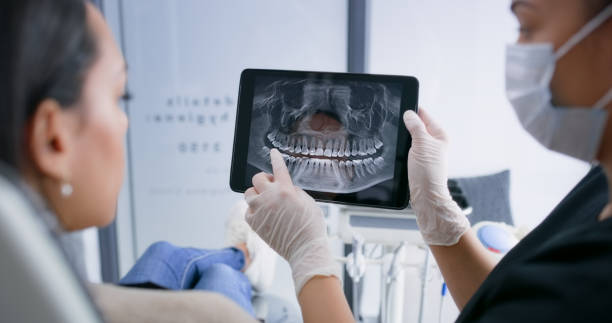
Call the number below and a scheduling coordinator finds you the next available specialist.
+1-866-227-2801 Call Now
A veneer is a thin shell — usually porcelain, sometimes composite resin — bonded to the front surface of a tooth to correct its shape, size, or color. Composite bonding is faster and cheaper per tooth, while porcelain holds up longer and mimics natural enamel translucency more convincingly.
A thin layer of enamel is typically prepped off before bonding, which is why the process is considered permanent rather than reversible. A same-visit digital mock-up shows you the expected shape and shade before the permanent veneers are fabricated in a lab.
Veneers won't stop new decay from forming on the rest of the tooth, so routine cleanings and exams still matter just as much afterward. Grinding at night is one of the more common reasons veneers chip early, so a nightguard is often recommended alongside the procedure.
You approve the shape and shade digitally before the lab fabricates the final porcelain shells.
Both material options are available, with your provider explaining the tradeoffs for your specific case.
Minimal-prep veneers preserve more natural tooth structure when your case allows for it.
Shape and shade are customized so veneers look intentional, not artificially uniform.
Our network specialists cover the full range of this procedure, from the routine case to the complicated one.
Lab-fabricated shells bonded to the front of teeth, lasting ten to fifteen years with proper care.
Sculpted and bonded directly to the tooth in a single visit, at a lower cost than porcelain.
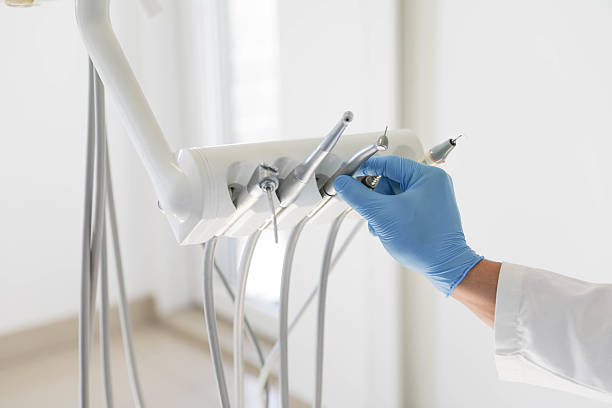
Several front teeth are veneered together for a coordinated, symmetrical smile redesign.
Ultra-thin shells that require little to no enamel reduction for qualifying cases.
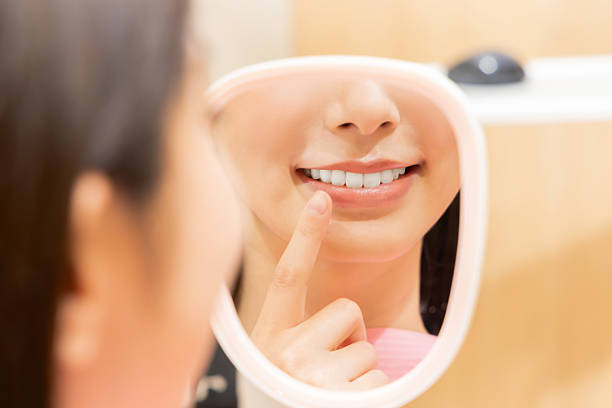
A single damaged veneer is typically addressed individually rather than requiring a full redo.
You see the planned shape and shade digitally before committing to the procedure.
You describe what's going on; no automated menu, no long hold.
We match you with a nearby specialist experienced in this exact procedure and check real-time openings.
You get a clear explanation of the treatment plan and its cost before any work begins.
Treatment proceeds on the agreed plan, with clear aftercare instructions and a follow-up if the case calls for one.
"They walked me through the cost and the procedure before I agreed to anything. Appreciated that."
"Got in faster than I expected for something this specific. Staff were sharp and direct."
"Price they quoted on the phone matched the invoice exactly. No surprise charges."
Because enamel is prepped away for a proper fit, veneers generally aren't meant to be removed and left bare afterward.
With good hygiene, porcelain veneers commonly last ten to fifteen years before needing replacement.
Modern porcelain closely mimics natural enamel translucency, and shade-matching avoids an artificial, overly white look.
Some mild sensitivity is possible afterward, but the prep and bonding process is done comfortably numbed.
Crowns are typically used for more structurally damaged teeth; veneers are a cosmetic front-surface solution.
Cost varies by material — porcelain versus composite — and is quoted per tooth before you commit.
Our coverage spans Seattle and its surrounding area, matching you with the closest available specialist.
Licensed to practice in WA, credential-checked before joining the network.
Call now and a real coordinator will match you with a specialist and a confirmed time.
Call +1-866-227-2801 Now